

Does a High Uric Acid Level Always Mean You Have Gout?

MBChB (New Zealand), PGDipObstMedGyn, FRACP (New Zealand), FAMS (Rheumatology)

Your latest health screening results are in, and one figure stands out: your uric acid level has been flagged as high. You've been feeling perfectly well, so you search for an explanation and find information about gout. Yet the descriptions of painful, swollen joints seem far removed from anything you've experienced.
While high uric acid is associated with gout, an elevated reading alone cannot confirm the diagnosis. Some people have persistently high uric acid levels without ever developing gout.
However, the absence of symptoms does not necessarily mean the result should be ignored. Persistently elevated uric acid may increase your likelihood of developing gout in the future, although whether further monitoring or treatment is needed depends on your individual circumstances.
Understanding the Difference Between High Uric Acid and Gout
Uric acid is naturally present in the blood, but having an elevated level does not necessarily mean someone has gout. The distinction lies in how urate crystals form and affect the joints.
Why Uric Acid Levels Rise
Uric acid forms when the body breaks down substances called purines, which occur naturally in our cells and certain foods. The kidneys normally remove much of this uric acid through urine. Uric acid levels can rise when the body produces too much or the kidneys do not remove enough.
This condition is known as hyperuricaemia. When someone has elevated uric acid levels without a history of gout attacks or other signs of the condition, it is called asymptomatic hyperuricaemia.
Why High Uric Acid Doesn't Always Cause Gout
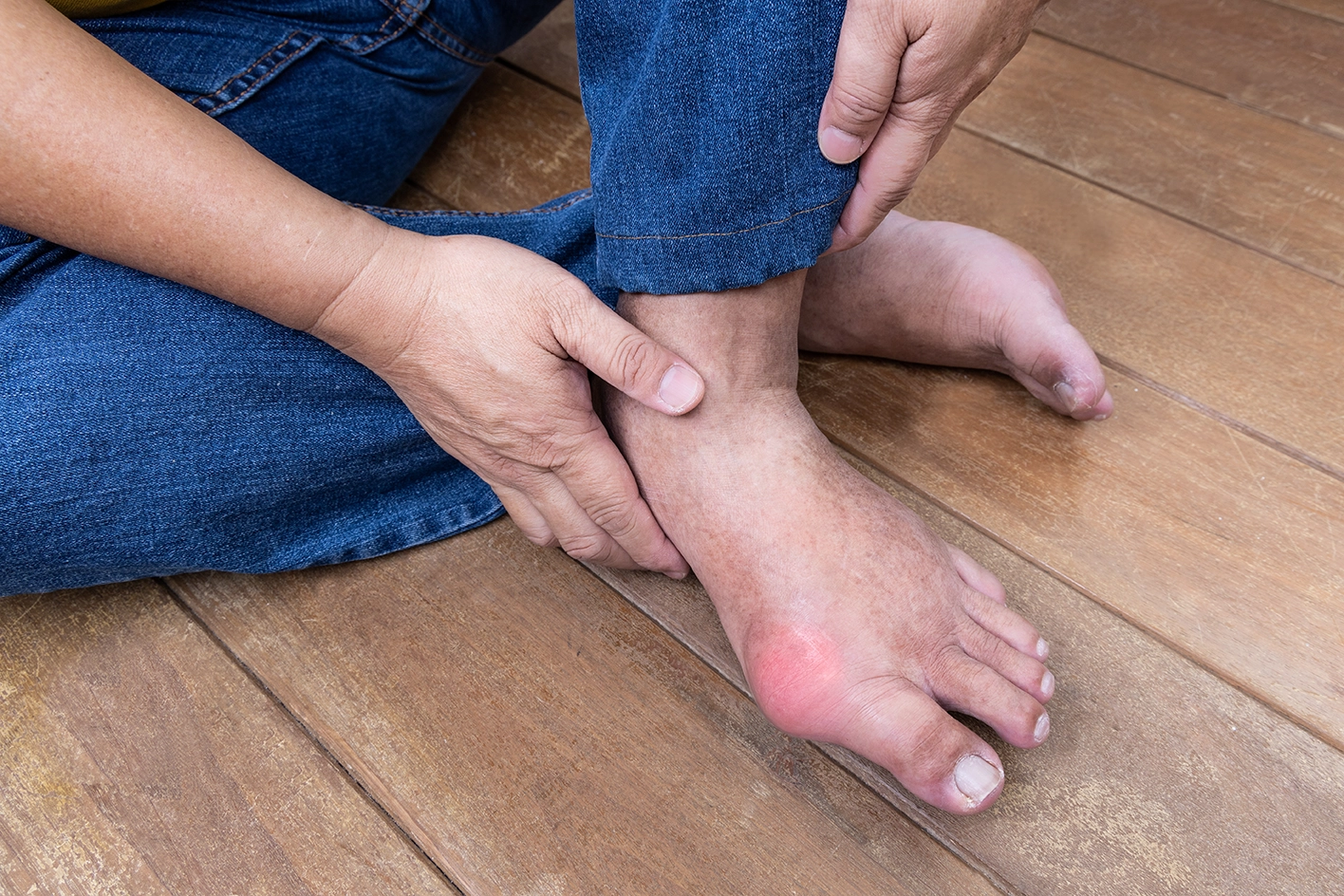
Gout develops when uric acid forms crystals in or around the joints and these trigger an inflammatory response. This can cause sudden, intense pain and swelling, often making the affected joint extremely sensitive to touch.
However, not everyone with elevated uric acid develops gout. Some people may have urate crystal deposits without experiencing an inflammatory attack, while others may never develop clinically apparent gout despite persistently high levels.
Someone with established gout may also feel well between attacks. These symptom-free periods do not undo a previous gout diagnosis and should be distinguished from periods without symptoms in someone who has never experienced gout.
Assessing Your Future Gout Risk
Persistently elevated uric acid levels are associated with a greater likelihood of developing gout, although not everyone with high uric acid will experience an attack. Assessing this risk involves looking beyond a single blood test result.
Checking Uric Acid Levels Over Time
Uric acid levels can fluctuate, so one result offers only a snapshot. Your doctor may compare previous blood tests to determine whether the elevation is new or persistent. The extent of the increase also matters, as substantially elevated levels are generally associated with a greater risk of developing gout.
If there are no earlier results to compare, a repeat test may be recommended to check whether the elevation persists.
Considering Your Medical History
A family history of gout or reduced kidney function may increase susceptibility, even among people with similar uric acid levels. Your doctor may also ask about previous episodes of sudden joint pain or swelling, including those that were never formally diagnosed as gout, as well as any history of kidney stones.
Medication use is another consideration. Certain medicines, including some prescribed for high blood pressure, can raise uric acid levels. Bringing previous screening reports and an up-to-date medication list allows your doctor to review these factors together and identify anything that warrants further assessment.
Managing High Uric Acid: Monitoring or Treatment?
Having high uric acid does not, by itself, establish a need for medication. The appropriate approach depends on whether someone has developed gout and how their overall health influences the potential benefits of treatment.
Monitoring High Uric Acid Without Symptoms
For people with asymptomatic hyperuricaemia, urate-lowering medication is generally not recommended routinely. Evidence that treatment prevents future gout attacks or improves other health outcomes in this group remains insufficient to justify routine prescribing. Depending on the individual's uric acid levels and medical history, periodic monitoring may be appropriate.
Lifestyle changes may also help. Cutting back on alcohol and sugary drinks can be beneficial, particularly when these are regular habits. Maintaining a healthy weight may offer further benefits where appropriate, although lifestyle changes alone generally have a modest effect on uric acid levels. Overly restrictive diets are usually unnecessary.
When Medication May Be Considered
For people diagnosed with gout, particularly those experiencing recurrent attacks, long-term urate-lowering medication may be recommended. By reducing uric acid levels, these medicines can help prevent future attacks and gradually dissolve existing urate crystal deposits.
However, medication is not automatically prescribed after a first gout attack. Doctors also consider factors such as kidney function, significantly elevated uric acid levels or a history of kidney stones when deciding whether longer-term treatment is appropriate.
If medication is started, follow-up appointments allow doctors to adjust the dose and monitor for side effects. Likewise, someone initially advised to monitor elevated uric acid should seek reassessment if they develop new joint symptoms, as their treatment needs may have changed.
Understanding Your Future Joint Health With Dr Poh Yih Jia
A high uric acid result may leave you wondering whether your joints will remain healthy in the years ahead. Your current symptoms, previous test results and medical history can provide important context when considering your future gout risk and whether any preventive steps are appropriate.
At the Centre for Rheumatology & Arthritis, patients concerned about elevated uric acid can receive an individualised assessment. Dr Poh Yih Jia brings experience in gout management, having helped establish Singapore General Hospital's multidisciplinary gout clinic and contributed to Singapore's clinical guidance on gout. She can help distinguish between elevated uric acid that warrants monitoring and gout that may require treatment.
If you're concerned about your long-term joint health, arrange a consultation to discuss your results and the next steps appropriate for you.
Frequently Asked Questions (FAQs) About High Uric Acid and Gout
Dehydration can temporarily increase uric acid levels in the blood. However, dehydration should not automatically be assumed to explain an elevated result. Your doctor may recommend a repeat test if appropriate.
Yes. Blood uric acid reference ranges generally differ between men and women and can vary between laboratories. Check the reference range printed on your report rather than comparing your result with someone else's.
No. Some prescribed medicines can increase uric acid levels, but stopping them without medical advice could affect the condition they were prescribed to treat. Discuss the result with your doctor before making any medication changes.
Elevated uric acid alone generally does not prevent you from exercising. Regular physical activity supports overall health, and staying adequately hydrated during exercise is advisable.
Meet Our Doctor
Dr Poh Yih Jia is a senior consultant rheumatologist with a special interest in lupus, arthritis and the
management of autoimmune diseases during pregnancy. Before entering private practice, she spent over a
decade at Singapore General Hospital, where she established the Rheumatology Obstetrics Clinic and
spearheaded the development of its multidisciplinary Gout Clinic.
Her work extends beyond clinical practice to improving how rheumatological conditions are managed. Dr
Poh has contributed to regional lupus collaborations and served on the expert panel for the Ministry of
Health Agency for Care Effectiveness (ACE) Clinical Guidance on Gout. She has also been actively
involved in rheumatology research, medical education and the training of future specialists.
