

Osteoporosis Screening and Treatment in Singapore

MBChB (New Zealand), PGDipObstMedGyn, FRACP (New Zealand), FAMS (Rheumatology)

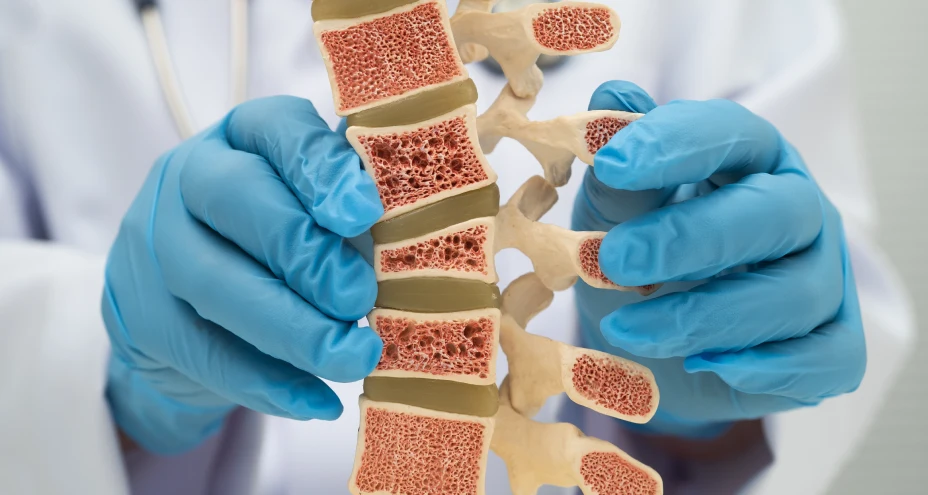
Osteoporosis is a condition in which bones become weaker and more fragile due to loss of bone density and changes in bone structure. It often develops gradually and may not cause noticeable symptoms until a fracture occurs. Common sites of osteoporotic fractures include the spine, hip and wrist.
As bone strength declines, even a minor fall may result in a fracture. Early detection and appropriate treatment can help strengthen bone health, reduce fracture risk and support long-term mobility, independence and quality of life. At the Centre for Rheumatology & Arthritis, Dr Poh takes a personalised approach to osteoporosis care, evaluating your individual risk factors, bone health and lifestyle to develop a tailored treatment plan focused on improving bone strength and reducing fracture risk.
Causes and Risk Factors of Osteoporosis
Osteoporosis develops when the natural balance between bone formation and bone breakdown is disrupted, leading to a gradual loss of bone density and strength. Several factors can contribute to this process:
Ageing
Increasing age is one of the strongest risk factors for osteoporosis, particularly after the age of 50. Bone density naturally declines over time, making bones more fragile and susceptible to fractures.
Hormonal Changes
Hormones play an important role in maintaining bone health. In women, the decline in oestrogen levels after menopause can lead to more rapid bone loss. In men, lower testosterone levels with ageing may also contribute to reduced bone density and increased fracture risk.
Family History
A family history of osteoporosis or fragility fractures may increase the risk of developing osteoporosis. Genetic factors can influence bone density, bone strength and the rate of bone loss over time.
Previous Fragility Fracture
A history of fragility fracture (a fracture resulting from a minor fall or minimal trauma) is one of the strongest predictors of future fractures and may indicate underlying osteoporosis.
Low Calcium and Vitamin D Intake
Calcium and vitamin D play important roles in maintaining bone health. Inadequate intake of these nutrients can contribute to bone loss over time and increase the risk of osteoporosis and fractures.
Sedentary Lifestyle
Regular weight-bearing and muscle-strengthening activities help maintain bone strength. A lack of physical activity may contribute to bone loss over time, increasing the risk of osteoporosis and fractures.
Medical Conditions and Medications
Certain medical conditions can affect bone health and increase the risk of osteoporosis. These include rheumatoid arthritis, chronic kidney disease and endocrine disorders, including thyroid disease or diabetes. Long-term use of medications such as corticosteroids may also contribute to bone loss and increased fracture risk.
Low Body Weight
Individuals with low body weight or a smaller body frame may have lower bone mass, making them more vulnerable to bone loss and fractures as they age.
Smoking and Excess Alcohol Intake
Smoking and excessive alcohol consumption can interfere with the normal process of bone remodelling, leading to reduced bone density and an increased risk of fractures.
Symptoms of Osteoporosis
Osteoporosis often develops without noticeable symptoms, which is why it is sometimes called a “silent condition”. In many cases, it is often detected after a fracture has occurred. When symptoms do develop, they may include:


Fragility Fractures
Fractures that occur after minor trauma which would not normally result in a fracture in healthy bone.-
Back Pain
Persistent or sudden back pain may be a sign of a compression fracture in the spine, particularly in individuals with osteoporosis. -
Loss of Height
A gradual reduction in height may occur due to compression fractures of the vertebrae, which can cause the bones of the spine to collapse over time. -
Changes in your natural Posture
Changes in posture, such as a more rounded or stooped upper back, may occur when osteoporosis causes compression fractures in the vertebrae. Over time, these changes can lead to a forward curvature of the spine known as kyphosis.
How Is Osteoporosis Diagnosed?
Osteoporosis is diagnosed through a combination of clinical evaluation, bone density assessment and investigations to determine fracture risk and identify potential underlying causes of bone loss.
Medical History and Risk Assessment
A thorough medical history helps identify risk factors for osteoporosis, including lifestyle habits, family history and previous fragility fractures. Validated fracture risk assessment tools may also be used to estimate the likelihood of future fractures and guide further evaluation.
Bone Mineral Density (BMD) Test
A dual-energy X-ray absorptiometry (DEXA) scan is a simple, non-invasive test used to measure bone density. It helps identify osteoporosis, assess fracture risk and guide treatment decisions.
Additional Tests
Blood tests may be used to identify underlying factors that contribute to bone loss, including vitamin D deficiency, hormonal disorders, kidney disease and other conditions that affect bone health.
How Do Rheumatologists Treat Osteoporosis?
The management of osteoporosis aims to strengthen bones, reduce fracture risk and maintain long-term mobility and quality of live. Treatment is tailored based on your bone density, fracture risk and overall health, with regular monitoring to assess treatment response and optimise outcomes.
Anti-resorptive Medications
Anti-resorptive medications help reduce bone loss by slowing the activity of cells involved in bone breakdown. These treatments can improve bone strength and lower the risk of fractures. The choice of treatment is selected based on factors such as bone density, fracture risk and other medical considerations.
Lifestyle and Activity Modifications
Lifestyle and activity modifications are an important part of osteoporosis management, helping to support bone health and complement medical treatment.
- Stay Physically Active: Regular weight-bearing and strengthening exercises help support bone health, maintain muscle strength and reduce the risk of falls and fractures.
- Ensure Adequate Calcium and Vitamin D Intake: Adequate calcium and vitamin D are essential for bone health. These nutrients help support bone strength and the normal processes involved in bone maintenance and repair.
- Reduce Fall Risk: Simple measures such as improving home safety, addressing vision problems and maintaining good balance and strength can help reduce the risk of falls and fractures.
- Maintain General Health: Maintaining a healthy lifestyle through a balanced diet, adequate sleep and regular follow-up can support overall health and contribute to long-term bone health.
- Avoid Smoking and Excess Alcohol: Smoking and excessive alcohol consumption can weaken bones and increase the risk of osteoporosis and fractures. Avoiding these habits help support long-term bone health.
Bone-forming Medications
Bone-forming medications may be recommended for individuals with severe osteoporosis or those at a very high risk of future fractures. These treatments work by stimulating new bone formation, helping to improve bone density and bone strength while reducing fracture risk.
Fracture Prevention
An important goal of osteoporosis management is to reduce the risk of future fractures. This may involve assessing individual fracture risk, addressing factors that increase the likelihood of falls and implementing strategies to prevent subsequent fractures.
Dr Poh Yih Jia
Senior Consultant Rheumatologist
Dr Poh Yih Jia is a senior consultant rheumatologist with more than 20 years of medical experience in
New Zealand and Singapore. She has extensive experience in the diagnosis and management of rheumatic,
autoimmune and metabolic bone conditions, including osteoporosis.
Her commitment to patient-centred care has earned her multiple accolades, including the Singapore Health
Quality Service Award and the Service with a Heart Award. She remains dedicated to advancing
rheumatology through clinical practice, education and research, ensuring her patients receive the most
current, evidence-based care for osteoporosis and other autoimmune conditions.

FAQs on Osteoporosis
Osteoporosis is a condition characterised by reduced bone density and deterioration of bone structure, causing bones to become weaker and more prone to fractures. It is commonly associated with ageing, hormonal changes, inadequate calcium and vitamin D intake, certain medications and underlying medical conditions.
Although bone density naturally declines with age, osteoporosis is not an inevitable part of ageing. Maintaining a healthy lifestyle and addressing risk factors early can help support bone health and reduce the risk of fractures.
Screening may be recommended for older adults and individuals with risk factors such as previous fragility fractures, long-term corticosteroid use or certain medical conditions that affect bone health. Your doctor can assess your risk and advise if screening is appropriate.
Untreated osteoporosis increases the risk of fractures, particularly in the spine and hip. These fractures can result in chronic pain, reduced mobility and loss of independence, and may affect quality of life.
Osteoporosis cannot always be prevented, as factors such as age, genetics and hormonal changes can affect bone health. However, maintaining a healthy lifestyle with adequate calcium and vitamin D intake, regular weight-bearing exercise and avoidance of smoking and excessive alcohol can help reduce the risk of osteoporosis and fractures. Early screening, assessment and management of risk factors may also help preserve bone health.