

Sjögren's Syndrome Treatment in Singapore

MBChB (New Zealand), PGDipObstMedGyn, FRACP (New Zealand), FAMS (Rheumatology)

Sjögren’s syndrome is a chronic autoimmune condition that most commonly affects the glands responsible for producing tears and saliva, leading to dry eyes and dry mouth. Other common symptoms include joint pain and stiffness, muscle pain, fatigue, skin rash, skin dryness and vaginal dryness. While the condition primarily affects moisture-producing glands, it can also involve other organs, including the lungs, kidneys, nerves and blood vessels. The severity and pattern of disease vary widely between individuals. Some people experience relatively mild symptoms, while others develop more widespread inflammation and systemic involvement that requires closer monitoring and treatment.
Early diagnosis and appropriate treatment enable effective symptom control and timely detection of complications, helping to improve long-term outcomes. At the Centre for Rheumatology & Arthritis, Dr Poh provides comprehensive evaluation and tailored care to help manage symptoms and support overall health and wellbeing.
Types of Sjögren’s Syndrome
Sjögren’s syndrome can be classified according to whether it occurs on its own or in association with another autoimmune condition.
Primary Sjögren's Syndrome
This develops on its own and is not associated with another autoimmune disease. It primarily affects moisture-producing glands but may also cause inflammation in other organs.
Secondary Sjögren's Syndrome
This occurs in individuals with an existing autoimmune condition, such as rheumatoid arthritis or lupus. Symptoms of dryness may develop alongside features of the underlying condition.
Causes and Risk Factors of Sjögren's Syndrome
The exact cause of Sjögren’s syndrome is not yet fully understood. It is believed to result from a combination of genetic susceptibility and environmental triggers that lead to immune system dysfunction.
Genetics
Although Sjogren's syndrome is not directly inherited, certain genetic factors may increase an individual’s susceptibility, particularly among those with a family history of autoimmune diseases.
Age and Gender
Sjögren's syndrome is more common in women and typically develops between the ages of 45 and 55, although it can occur earlier.
Associated Autoimmune Conditions
Individuals who already have an autoimmune condition, such as rheumatoid arthritis or lupus, may be at an increased risk of developing secondary Sjögren's syndrome.
Symptoms of Sjögren's Syndrome
Symptoms vary from person to person and may develop gradually. Although dryness of the eyes and mouth is the hallmark feature, the condition may also affect other parts of the body and cause a range of systemic symptoms.


Dry Eyes
This is a common symptom of Sjogren's syndrome and may cause a gritty, irritated or burning sensation. Some individuals may experience redness, sensitivity to light or blurred vision, especially in dry or windy environments.-
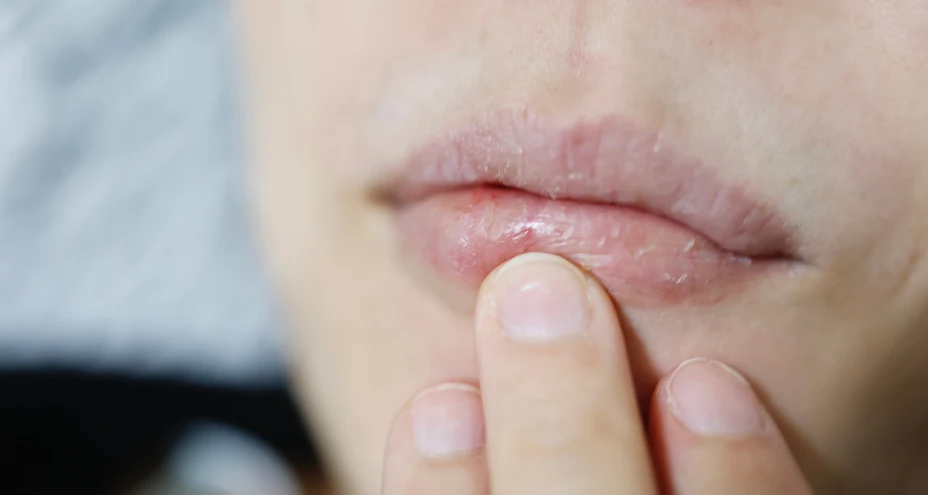
Dry Mouth
Reduced saliva production can cause a persistent dry sensation in the mouth and may make it difficult to swallow, talk or taste food. Individuals with Sjogren's syndrome may also be prone to dental decay and gum disease. -
Salivary Gland Swelling
The salivary glands, especially those around the cheeks, jaw and in front of the ears may become swollen or tender.
-
Joint Pain and Fatigue
Some individuals with Sjogren’s syndrome may experience joint discomfort, stiffness and persistent fatigue. These symptoms can range from mild to severe and may affect daily activities, physical function and overall quality of life. -
Skin and Vaginal Dryness
Dryness of the skin or and vagina is common in Sjogren’s syndrome and may cause irritation or discomfort. -
Systemic Symptoms
In some cases, Sjögren’s syndrome may affect other organs, leading to symptoms such as a persistent cough, shortness of breath, numbness or tingling and other complications involving the lungs, kidneys, nerves or joints.

How Is Sjögren's Syndrome Diagnosed?
Diagnosing Sjögren’s syndrome requires a comprehensive evaluation, as symptoms can overlap with other conditions.
Medical History and Physical Examination
Assessment begins with a detailed review of symptoms, including dryness, fatigue and joint pain, as well as their duration and impact on daily life. A physical examination is performed to look for signs of dryness, salivary gland swelling and any evidence of involvement of other organs.
Blood Tests
Blood tests may detect specific autoantibodies, such as anti-SSA (Ro) and anti-SSB (La), which support the diagnosis.
Eye Tests
Specialised tests, such as the Schirmer's test, measure tear production and help assess the severity of dry eyes.
Salivary Gland Assessment
Imaging or biopsy of salivary glands may be performed in selected cases to confirm inflammation.
Additional Investigations
Further tests may be recommended depending on symptoms, including imaging or organ-specific assessments to evaluate systemic involvement.
How Do Rheumatologists Treat Sjögren's Syndrome?
Treatment of Sjögren’s syndrome focuses on relieving dryness, managing systemic symptoms and preventing complications. Management is individualised, depending on symptom severity and the presence of organ involvement.
Symptom Relief for Dryness
Artificial tears and saliva substitutes are commonly used to relieve symptoms of dryness. Medications that stimulate tear and saliva production may be prescribed for individuals with more persistent symptoms. Regular use of these treatments can help maintain comfort and reduce complications such as eye irritation and dental problems.
Medications to Control Immune Activity
In individuals with joint pain, swelling or organ involvement, immunomodulatory or immunosuppressive medications may be used to reduce inflammation and control disease activity. Treatment is tailored to symptom severity and overall health. Regular monitoring is important to ensure effectiveness and safety.
Oral and Eye Care
Preventive care plays an important role in Sjögren’s syndrome. Regular dental reviews help reduce the risk of tooth decay and oral infections, while ophthalmology assessment may be recommended for moderate to severe dry eye symptoms.
Management of Systemic Involvement
When Sjögren’s syndrome affects internal organs, treatment is individualised according to the organs affected and the severity of disease. Targeted therapies may be required for lung, nerve or kidney involvement. Early identification and regular monitoring are essential to guide timely and effective long-term care.
Supportive and Lifestyle Measures
Simple measures such as maintaining good hydration, using humidifiers and avoiding environmental triggers can help reduce dryness and improve daily comfort. These strategies complement medical treatment and support long-term symptom management.
Living Well with Sjögren’s Syndrome
Lifestyle and activity adjustments play an important role in managing symptoms of Sjögren’s syndrome and supporting overall well-being. These measures may help reduce dryness, improve energy levels and maintain daily function.
Stay Hydrated
Taking frequent sips of water throughout the day can help relieve dry mouth and improve comfort. Sugar-free lozenges may also help stimulate saliva production.
Maintain Good Oral Care
Regular brushing, flossing and routine dental check-ups can help reduce the risk of tooth decay, gum disease and other oral complications associated with dry mouth.
Avoid Dryness Triggers
Limiting caffeine and avoiding alcohol and smoking is recommended, as these can worsen dryness. Medications that may contribute to dryness should also be reviewed with your doctor where appropriate.
Protect Your Eyes
Using lubricating eye drops regularly and avoiding dry or windy environments can help reduce eye irritation. Humidifiers may be helpful, particularly in air-conditioned settings.
Manage Fatigue Effectively
Fatigue is a common symptom. Balancing activity with adequate rest, pacing daily activities and engaging in regular light to moderate exercise can help improve energy levels, maintain function and support overall wellbeing.
Dr Poh Yih Jia
Senior Consultant Rheumatologist
Dr Poh Yih Jia is a senior consultant rheumatologist with over 20 years of medical experience in New
Zealand and Singapore. She has extensive expertise in managing complex autoimmune and connective tissue
diseases, including Sjögren’s syndrome.
Her commitment to patient-centred care has earned her multiple accolades, including the Singapore Health
Quality Service Award and the Service with a Heart Award. She remains dedicated to providing
evidence-based care tailored to each individual.

FAQs on Sjögren's Syndrome
Sjögren's syndrome is a chronic autoimmune condition in which the immune system attacks moisture-producing glands, leading to dryness of the eyes and mouth. The severity varies between individuals. While many people experience mild to moderate symptoms, some may develop inflammation that affects organs and tissues beyond the glands. With appropriate care and monitoring, most individuals are able to manage the condition and maintain a good quality of life.
While Sjögren's syndrome mainly affects moisture-producing glands, it can also involve other parts of the body, including the joints, skin, lungs, kidneys or nerves in some individuals. The pattern of involvement may vary, and regular follow-up is important to monitor for changes over time.
Sjögren's syndrome is a chronic condition that typically requires ongoing management. While the severity of symptoms may vary over time, many individuals are able to achieve good symptom control and maintain their quality of life with appropriate care, treatment and regular follow-up.
Sjögren's syndrome may lead to complications related to persistent dryness, including tooth decay, oral infections and damage to the surface of the eyes. In some cases, it can also involve organs beyond the glands including the lungs, kidneys or nerves. Regular follow-up and monitoring help detect complications early and allows timely treatment to reduce long-term impact.
Simple measures such as staying well hydrated, using lubricating eye drops, maintaining good oral hygiene and avoiding dry environments can help improve daily comfort. These supportive measures are often used alongside medical treatment to help manage symptoms and maintain long-term control.